

TREATMENT DETAILS
Ceramic
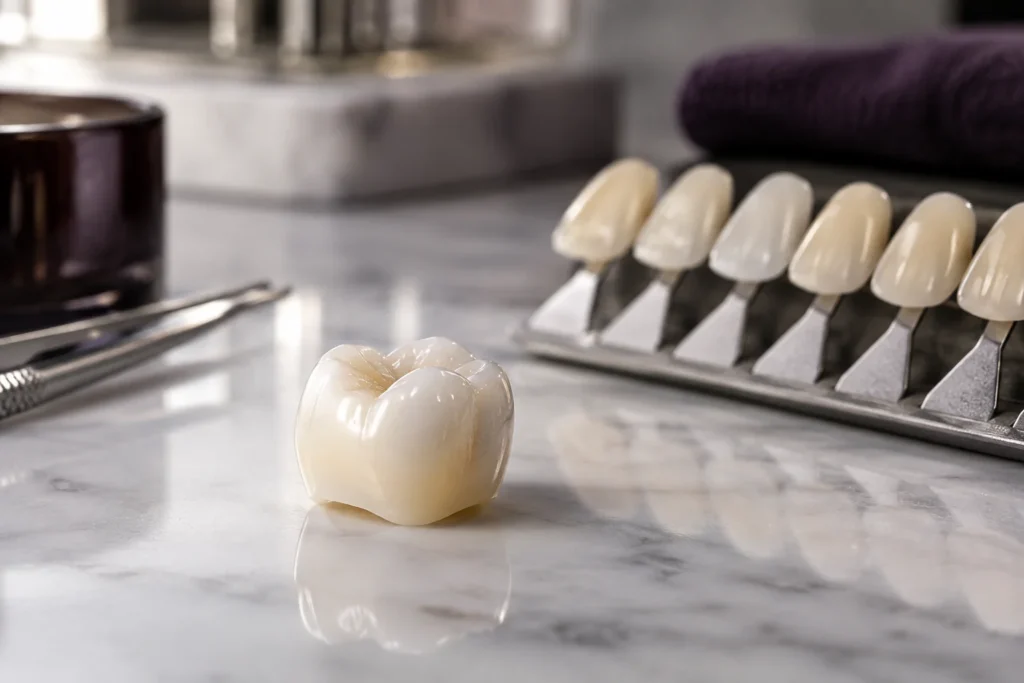
Ceramic veneers. A conservative aesthetic approach aimed at correcting color, shape, spacing, and surface issues with thin ceramic restorations bonded to the visible surface of the front teeth.
This information is for general educational purposes. It does not replace a dental examination or diagnosis. Diagnosis and treatment plans may change after an examination.
OVERVIEW
Ceramic veneers overview
ceramic veneer is a thin ceramic restoration bonded to the front surface without entirely trimming around the tooth, provided there is adequate enamel structure and suitable bite conditions.
Age alone is not a decisive criterion; tooth structure, expectations, bite alignment, and the risk of bruxism are carefully evaluated. In cases of severe teeth grinding, a protective night guard or alternative restorations may be required due to the risk of fracture or debonding. The ceramic veneer process is typically planned over one week to ten days owing to impressions, try-ins, and laboratory fabrication; this timeframe is not guaranteed. In cases where composite veneers or bonding are selected, treatment can be completed in a single session. Color, shape, size, surface texture, and tooth morphology can all be tailored; the primary goal is to preserve healthy enamel while achieving a harmonious result.
01
DIGITAL EVALUATION
02
PERSONALIZED PLANNING
EVALUATION
How is suitability determined?
Treatment selection is made by jointly evaluating clinical examination, necessary imaging, and personal expectations.
01
Enamel and existing fillings
Bonding surface, cracks, discoloration, and existing restorations are examined.
02
Occlusion and bruxism
Anterior tooth contacts, signs of teeth grinding, and fracture risks are assessed.
03
Aesthetic plan
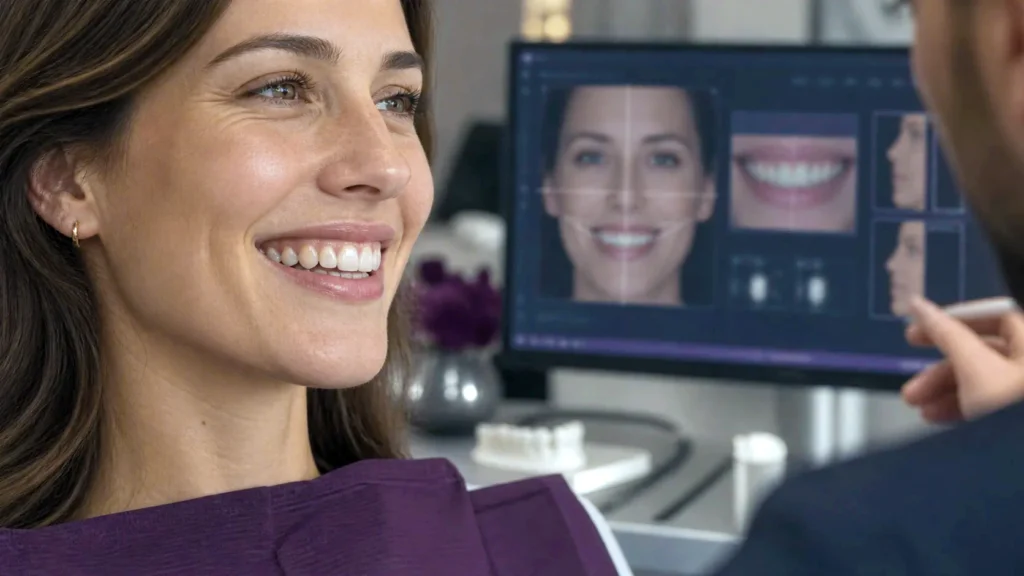
Color, shape, proportion, gum line, and facial photographs are evaluated together.
“The priority in deciding on veneers is to determine the most minimal tooth preparation required for the desired appearance.”
Dr. Ediz Cem Türk
TREATMENT PROCESS
Step-by-step process
01
Photography and planning
Desired contours are discussed using facial, smile, and intraoral records.
02
Minimal preparation and impressions
Minimal required tooth preparation is performed and digital impressions are taken.
03
Try-in
Shade, shape, contact points, and overall appearance within the smile are checked.
04
Bonding and follow-up
The ceramic surface is adhesively bonded to the enamel; bite and maintenance are monitored.
FREQUENTLY ASKED QUESTIONS
Detailed answers
It is a method aimed at adjusting color, shape, and spacing with a thin ceramic restoration bonded to the front surface of the teeth.
They can be considered for individuals who have adequate enamel support on their front teeth, experience color or shape concerns, and possess a bite favorable for the procedure.
Enamel quantity, fillings, cracks, gum condition, discoloration, occlusion, and signs of teeth grinding are examined.
The stages include photography and design, minimal preparation, digital impressions, temporary restorations, try-in, and adhesive bonding.
The need for local anesthesia depends on the extent of preparation; temporary sensitivity may be experienced afterwards.
Laboratory fabrication is generally scheduled between one week and ten days; try-in and adjustments may alter the duration.
Extensive tooth structure loss, insufficient enamel, severe teeth grinding, or very dark underlying tooth structure may require alternative restorations.
Potential issues include chipping, debonding, sensitivity, gum discrepancy, or unfulfilled color expectations.
It is important to avoid biting hard objects with front teeth, maintain routine oral hygiene, and wear a night guard if bruxism is present.
Composite bonding, teeth whitening, orthodontics, or full crowns may be evaluated based on the tooth structure and aesthetic goals.
Further reading on oral hygiene and preventive care (NHS).
EXAMINATION AND PLANNING
Contact information
The suitability of ceramic Veneers for your case can only be determined following a clinical evaluation.
Last updated: 25 November 2026. Content editor: Dt. Ediz Cem Türk — dtedizcemturk@gmail.com